
Winter roads damage your vehicle’s brakes and suspension through three primary mechanisms: pothole impacts that bend suspension components and knock alignment out of specification, road salt corrosion that seizes brake calipers and rusts critical hardware, and freeze-thaw cycles that create pavement irregularities, causing accelerated wear on shocks and bushings. For BMW, Mercedes-Benz, Land Rover, Jaguar, Audi, and Volkswagen owners in Mooresville, these conditions are particularly concerning because European vehicles use precision-engineered systems with tighter tolerances that show damage symptoms sooner than simpler designs.
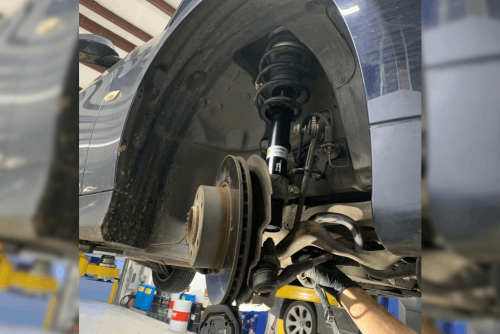
At Rock Solid AutoCare, our team is led by an ASE Master-certified technician who specializes in diagnosing and repairing brake and suspension issues before minor problems become expensive failures. Located at 329 Rolling Hill Rd Unit C, Mooresville, NC 28117, we provide European vehicle owners with precision service backed by our 3-year/36,000-mile warranty.
Why Winter Roads Create Brakes and Suspension Issues
Winter weather transforms North Carolina roads into testing grounds for your vehicle’s undercarriage. The combination of temperature fluctuations, moisture, and chemical treatments creates a perfect storm for accelerated component degradation.
Freeze-Thaw Cycles Expand Road Damage
When temperatures drop below 30°F at night and rise during the day, water seeps into pavement cracks and expands as it freezes. This cycle creates potholes and surface irregularities that jolt your suspension with every impact. European vehicles like Land Rover and Jaguar models use sophisticated suspension geometry that delivers exceptional handling on smooth surfaces but transmits road imperfections more directly to components.
Road Salt Accelerates Corrosion
Municipal road treatments contain sodium chloride and magnesium chloride that prevent ice formation but aggressively attack metal components. Your brake calipers, suspension arms, and mounting hardware face constant exposure to these corrosive chemicals. Without proper protection, salt residue bonds to metal surfaces and initiates rust formation that compromises structural integrity.
Pothole Impacts Create Hidden Damage
Hitting a pothole at speed generates forces that ripple through your entire suspension system. The initial impact may damage tire sidewalls, but the energy transfer can bend control arms, crack bushings, throw off wheel alignment, and stress brake mounting points. Many European vehicles use aluminum suspension components that are lightweight but less forgiving of sudden impacts compared to traditional steel designs.
How Mooresville Winter Conditions Damage Your Brake System
Your brake system relies on precise tolerances and clean operation to function safely. Winter conditions introduce contaminants and stress that degrade performance in ways you might not immediately notice.
Salt Contamination Affects Brake Components
Road salt spray coats your brake rotors, calipers, and pad surfaces with a corrosive film. This contamination causes several problems:
- Uneven rotor wear where salt deposits create localized hot spots during braking
- Caliper slide pin seizure that prevents even pad application and causes uneven braking
- Brake fluid moisture absorption through compromised seals, lowering the boiling point
- Accelerated pad glazing from chemical reactions between salt and friction material
Temperature Changes Affect Brake Performance
Cold temperatures cause brake fluid to thicken slightly and rubber seals to contract. While modern brake systems compensate for these changes, extreme cold below 30°F can create temporary performance variations. More concerning is the temperature shock when hot brake components encounter cold water or slush, potentially warping rotors or cracking brake lines.
Increased Moisture Leads to Rust Formation
Winter moisture penetrates brake dust shields and accumulates on rotor surfaces. Even a few days of humidity can create surface rust on cast iron rotors. While light surface rust usually wears away with normal braking, deeper corrosion pits cause vibration, noise, and uneven pad wear. Mercedes-Benz and BMW models with larger brake rotors show more visible rust formation due to their greater surface area.
Winter's Impact on Your Suspension System
Your suspension system absorbs road impacts and maintains tire contact with the pavement. Winter conditions test every component in this complex system, from shock absorbers to control arm bushings.
Bushings and Mounts Deteriorate Faster
Rubber and polyurethane suspension bushings harden in cold temperatures, losing their ability to dampen vibrations effectively. The freeze-thaw cycle accelerates this degradation. When bushings crack or tear, you’ll notice increased road noise, imprecise steering response, and alignment problems. Audi and Volkswagen models use sophisticated multi-link rear suspensions with numerous bushings that are particularly vulnerable to winter damage.
Shock Absorbers Face Increased Stress
Your shock absorbers work harder in winter conditions as they constantly respond to potholes, rough pavement, and uneven surfaces. Cold temperatures also thicken shock absorber fluid, temporarily reducing damping effectiveness until components warm up. A worn shock that performs acceptably in summer may create handling issues in winter when road conditions demand peak performance.
Alignment Settings Shift from Impact Damage
A single pothole impact can alter your wheel alignment enough to cause uneven tire wear and handling problems. European vehicles often use tighter alignment tolerances for precise handling characteristics. Even small changes to camber, caster, or toe settings create noticeable effects. If your Jaguar or Land Rover pulls to one side after hitting a pothole, alignment damage has likely occurred.
Warning Signs of Winter-Related Brake and Suspension Damage in Mooresville, NC
Recognizing early symptoms allows you to address problems before they escalate into safety issues or expensive repairs. Pay attention to these common indicators throughout winter and into spring.
Brake System Warning Signs
- Squealing or grinding noises when applying brakes
- Vibration in the steering wheel or brake pedal during stops
- Vehicle pulling to one side under braking
- Soft or spongy brake pedal feel
- Brake warning light illumination
- Visible rust or corrosion on rotors through wheel spokes
- Unusual burning smell after normal driving
Suspension System Warning Signs
- Clunking or rattling noises over bumps
- Excessive body roll in turns
- Vehicle sitting lower on one corner
- Uneven or rapid tire wear patterns
- Steering wheel off-center when driving straight
- Wandering or unstable feeling at highway speeds
- Fluid leaks near wheels or under the vehicle
If you notice any of these symptoms, schedule an inspection at our Mooresville facility by calling 704-658-1188. Our technicians use systematic diagnostic procedures to identify the root cause rather than treating symptoms.
Why European Vehicles Need Specialized Winter Care in Mooresville, NC
BMW, Mercedes-Benz, Land Rover, Jaguar, Audi, and Volkswagen vehicles use sophisticated brake and suspension designs that deliver superior performance but require specific maintenance approaches during winter months.
Complex Suspension Designs Require Expert Diagnosis
European manufacturers employ advanced suspension technologies like adaptive damping, air suspension, and multi-link geometries. These systems provide exceptional ride quality and handling but use more components with tighter tolerances. When winter road conditions cause damage, proper diagnosis requires technicians who understand these complex systems and have access to manufacturer-specific diagnostic equipment.
Brake Systems Use Specific Components
Many European vehicles use brake pads with low-metallic or ceramic formulations designed for their specific braking systems. Installing incorrect pad materials can cause noise, reduced performance, or accelerated rotor wear. Similarly, brake fluid specifications vary by manufacturer, with some requiring low-viscosity formulations for optimal ABS and stability control operation.
Alignment Specifications Demand Precision
European performance vehicles use precise alignment settings that balance handling, tire wear, and ride comfort. Generic alignment equipment may lack the capability to measure all required angles or adjust to manufacturer specifications. At Rock Solid AutoCare, we use advanced alignment systems calibrated for European vehicle requirements, ensuring your BMW or Mercedes-Benz maintains factory-intended handling characteristics.
How Rock Solid AutoCare Protects Your Vehicle from Winter Damage
Our approach to brake and suspension service combines European vehicle expertise with thorough inspection processes that identify problems early, when repairs are less extensive and more affordable.
Comprehensive Digital Health Inspections
Our Digital Health Inspections provide detailed documentation of your brake and suspension condition through photos and measurements. You’ll see exactly what our technicians observe, including rotor thickness readings, pad remaining life, suspension component condition, and any signs of winter-related damage. This transparency helps you make informed decisions about necessary service.
Advanced Diagnostic Equipment
We invest in manufacturer-specific diagnostic tools and equipment that properly service European vehicles. Our Hunter Road Force balancing machine ensures proper tire mounting and identifies bent wheels that might result from pothole damage. This precision equipment allows us to detect issues that generic tools might miss.
Quality Parts and Expert Installation
We use OEM or premium aftermarket components designed for your specific European vehicle. Whether you drive a Land Rover Discovery with air suspension or a Jaguar F-Type with performance brakes, you receive parts that meet original specifications. Our team, led by an ASE Master-certified technician, follows manufacturer procedures for proper installation, ensuring reliable performance and longevity.
Warranty Protection for Peace of Mind
Every brake and suspension repair we perform includes our 3-year/36,000-mile warranty. That coverage reflects our confidence in the quality of our work and protects your investment long after you leave our shop. At Rock Solid AutoCare, we stand behind every repair we make, because good, honest work should come with the peace of mind to match.
Preventive Maintenance for Winter Brake and Suspension Health
Taking proactive steps during winter months minimizes damage and extends component life. These practices are especially important for European vehicle owners in the Lake Norman area.
Regular Cleaning and Inspection
Washing your vehicle’s undercarriage removes salt and chemical residue before corrosion develops. Pay special attention to wheel wells and brake components. Schedule brake and suspension inspections every three months during winter and early spring when road conditions are harshest. Early detection of worn bushings, thin brake pads, or damaged components prevents roadside emergencies.
Tire and Wheel Protection
Maintaining proper tire pressure becomes more critical in cold weather as pressure drops approximately one PSI for every 10-degree temperature decrease. Under-inflated tires increase suspension stress and reduce handling precision. Inspect wheels regularly for bends or cracks from pothole impacts, as damaged wheels can cause vibration and accelerate suspension wear. If you notice anything unusual, bring your vehicle in for a professional inspection before the issue worsens.
Alignment Checks After Impact Events
If you hit a pothole hard enough to cause a noticeable impact, schedule an alignment check even if you don’t notice immediate symptoms. Small alignment changes create cumulative tire wear that becomes expensive over time. Our alignment service ensures your European vehicle maintains proper geometry for optimal handling and tire life.
FAQs About Winter Vehicle Brakes & Suspension Issues
How do potholes and cold weather affect my suspension system?
Potholes create sudden impact forces that can bend control arms, damage bushings, and knock your alignment out of specification. Cold weather hardens rubber components and thickens shock absorber fluid, reducing damping effectiveness. Together, these conditions accelerate normal wear and can cause immediate damage requiring repair.
What are the warning signs of worn brake pads or rotors?
Squealing noises during braking indicate worn pad material reaching metal backing plates. Vibration in the steering wheel or brake pedal suggests warped rotors, while pulling to one side points to uneven pad wear or caliper problems. If you experience any of these symptoms, schedule an inspection immediately, as brake safety is critical.
Why does my car pull to one side after hitting a pothole?
Pulling to one side after a pothole impact typically indicates alignment damage, particularly to toe or camber settings. The impact force can bend suspension components or shift alignment angles beyond specification. This pulling effect causes uneven tire wear and compromises handling safety if not corrected promptly.
How often should I inspect my brakes and suspension in winter?
Inspect your brakes and suspension every three months during winter and early spring when road conditions are harshest. Additionally, schedule an inspection any time you hit a significant pothole or notice changes in handling, braking, or ride quality. Early detection prevents minor issues from becoming expensive repairs.
Are European cars more sensitive to suspension damage on rough roads?
European vehicles often use sophisticated suspension designs with tighter tolerances that deliver superior handling but may show damage symptoms sooner than simpler designs. While components are engineered for durability, their precision nature means alignment changes and bushing wear affect performance more noticeably. Regular maintenance preserves these performance characteristics.
Schedule Your Suspension Repair and Brake Repair in Mooresville, NC Today!
Don’t wait for winter road damage to compromise your safety or lead to expensive repairs. Rock Solid AutoCare specializes in European vehicle brake and suspension service, providing the expertise your BMW, Mercedes-Benz, Land Rover, Jaguar, Audi, or Volkswagen deserves. Our technicians use advanced diagnostic equipment and OEM-quality parts to restore your vehicle’s performance and safety.
Visit us at 329 Rolling Hill Rd Unit C, Mooresville, NC 28117, or call 704-658-1188 to schedule your comprehensive brake and suspension inspection today. We’ll return your vehicle cleaned and vacuumed, ready to handle whatever winter roads bring.